
The Comprehensive International Gambling Database A Guide to Online Gaming
-
shadyibrahim
- Posted on

The Comprehensive International Gambling Database: A Guide to Online Gaming
Gambling has been a popular form of entertainment for centuries, evolving from simple wagers made in person to complex online platforms that cater to millions worldwide. The International Gambling Database serves as a crucial resource for enthusiasts, regulators, and researchers alike, providing essential insights into gambling laws, market trends, and player behavior across different regions. The availability of such data helps stakeholders make informed decisions and promotes responsible gaming practices. For more detailed insights, you can visit international gambling database https://arthurkeeganbole.com/.
Understanding the International Gambling Database
The International Gambling Database is an extensive collection of information regarding the gambling industry across various jurisdictions. It encompasses regulatory frameworks, demographic data, spending patterns, and the types of gambling products available. This database plays a pivotal role in understanding how different countries approach gambling legislation, the economic implications of gaming, and public attitudes towards it.
The Evolution of Gambling Laws
Gambling laws have significantly shifted over the last few decades, reflecting societal attitudes toward gaming. In many jurisdictions, gambling is now seen as a legitimate form of entertainment and a potential source of revenue. This change has led to the establishment of comprehensive regulatory bodies that oversee both land-based and online gambling operations. This evolution can be tracked through the International Gambling Database, which chronicles changes in laws and their impacts on gaming behavior.
Case Studies: Global Approaches
The international landscape of gambling laws is diverse, with each country adopting unique approaches. For instance, in the United States, gambling regulations vary by state, leading to a patchwork of laws. Some states have embraced online gaming and sports betting, while others maintain strict prohibitions. Conversely, countries like Australia have implemented national regulations that foster responsible gaming while allowing for a more extensive online gambling market.
Another notable case is the United Kingdom, where the Gambling Commission regulates the industry, ensuring fair play and protecting consumers. The UK’s approach emphasizes not just regulation, but also public health, as seen in their extensive efforts to promote responsible gambling practices through education and support programs.
Key Trends in Global Gambling Markets
Based on the data provided by the International Gambling Database, several trends are currently shaping the global gambling market:
- Rise of Online Gambling: With the advent of the internet, online gambling has surged in popularity. The convenience of playing from home coupled with technological advancements has transformed how people engage with gambling.
- Mobile Gaming Growth: As smartphones have become ubiquitous, mobile gaming platforms have gained traction. Players now have access to casinos and betting platforms at their fingertips, leading to a shift in how gambling is consumed.
- Regulatory Changes: As more jurisdictions move towards legalization, the regulatory landscape continues to evolve. Countries are re-evaluating their stances on online gaming and sports betting, leading to new opportunities and challenges.
- Emphasis on Responsible Gambling: There is an increasing focus on player protection and responsible gambling initiatives. Operators and regulators are collaborating to create safer gaming environments, ensuring players have access to resources and support.
Challenges Facing the Gambling Industry
Despite the positive trends, the gambling industry also faces significant challenges. These include:
- Problem Gambling: As gambling becomes more accessible, there is a growing concern regarding problem gambling. The industry must prioritize education and support for individuals at risk.
- Fraud and Security: The online gambling sector is susceptible to fraud, requiring operators to invest in robust security measures to protect both themselves and their players.
- Regulatory Compliance: Navigating the complex web of regulations across jurisdictions can be daunting for operators, particularly those seeking to enter new markets.
The Role of Technology in Gambling
Technology has played a transformational role in the gambling industry. Innovations like blockchain and artificial intelligence are shaping the future of gaming:
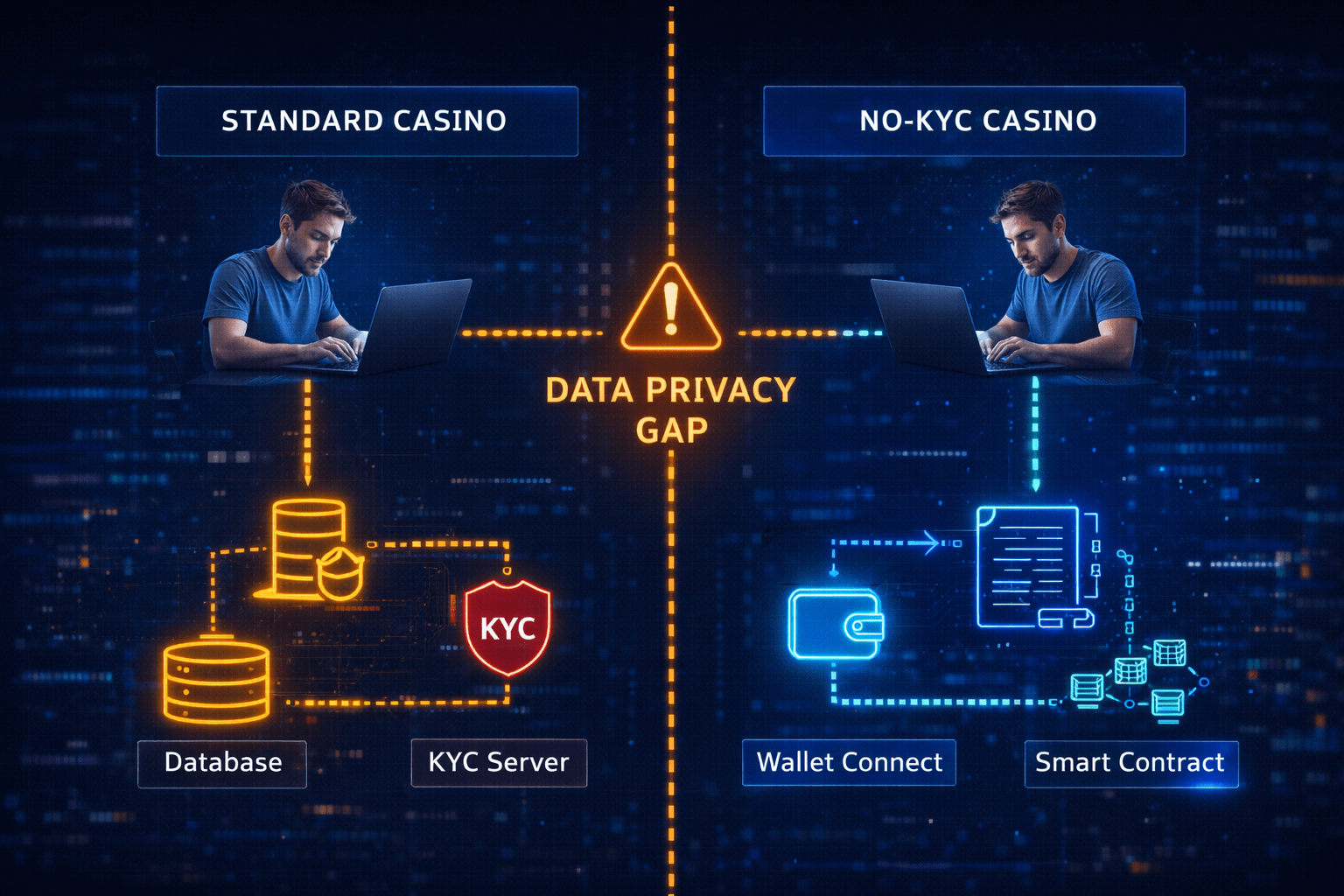
- Blockchain: This technology offers transparency and security in transactions, making it an attractive option for online casinos and betting sites. It ensures fair play and protects user data.
- Artificial Intelligence: AI is being utilized to analyze player behavior and enhance the overall gaming experience. It can help identify potential problem gamblers and provide personalized recommendations and interventions.
Future of the International Gambling Database
Looking ahead, the International Gambling Database will continue to evolve, reflecting the dynamic nature of the industry. As more countries opt for deregulation and modernization of their gambling laws, the database will serve as a vital resource for understanding the implications of these changes. Enhanced data collection methods and improved analytics will facilitate a deeper understanding of player habits and market dynamics.
Conclusion
The International Gambling Database is an integral tool for anyone interested in unraveling the complexities of the global gambling landscape. By comprehensively understanding the trends, challenges, and technological innovations, stakeholders can better navigate this multifaceted industry. As gambling continues to grow and evolve, so too will the importance of accurate data and responsible practices.
For enthusiasts, regulators, and researchers alike, the International Gambling Database stands as a beacon of information, guiding them through the ever-changing world of gambling.
